Visibility is easy. Credibility is rare.

The fundamentals of building credibility for one’s brand have not changed. Relationships. Trust. Genuine expertise shared generously. All as relevant today as they were a decade or more ago.
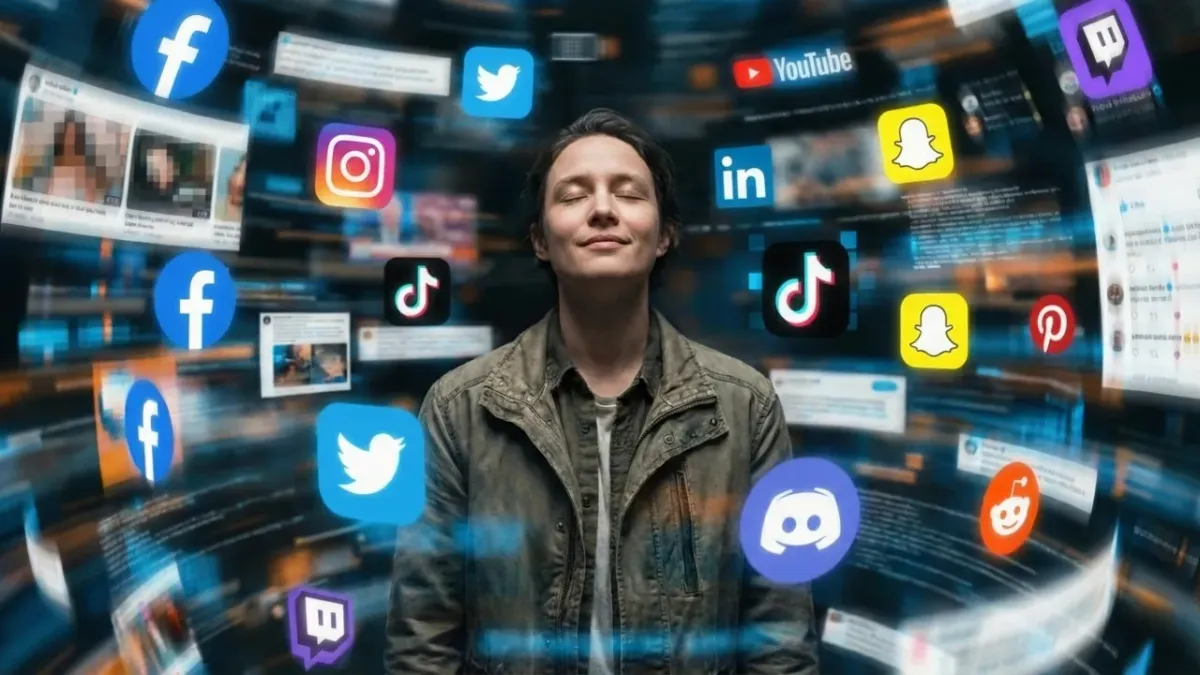
What has changed, however, is where and how that credibility gets communicated and amplified - the channels, the tools, the sheer volume of noise competing for attention.
Against this backdrop though, it’s easy to forget the core work remains stubbornly human, potentially even more so today given the acceleration in the uptake of AI.
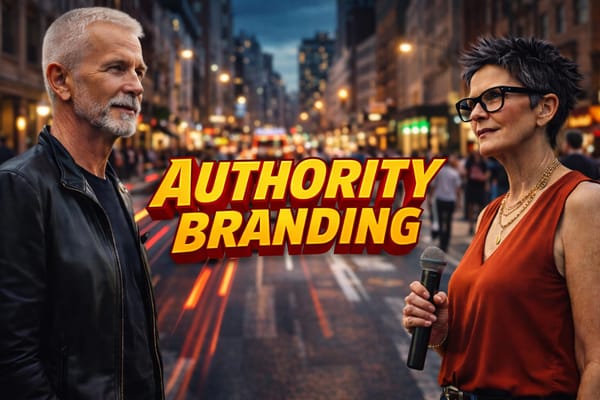
This was the consensus from a recent conversation I had with two solid citizens of the Australian communications industry: Bec Sands, a PR consultant and visibility mentor with 17 years in the field, and Andrés López-Varela, a marketing strategist entering his 21st year across everything from content production to brand marketing.
What emerged from our discussion was a candid assessment of where professional authority-building stands today, and why the experts who should be most visible are often the least heard.
The obligation to show up
We’re swimming in content. AI-generated posts clog feeds. Self-proclaimed experts with slick production values but questionable substance dominate attention.
Meanwhile, the entrepreneurs and professionals with genuine expertise - the ones who’ve actually done the work - often remain frustratingly silent.
This is a particular bug-bear of mine, and it’s why I do what I do - i.e. publish this blog, produce a podcast, post on LinkedIn, write a Substack. I think the world needs to hear more from the genuine leaders and experts, not the pretenders and the opportunists.
Andrés is onboard with this school of thought as well, and he doesn’t mince words.
For those with bona fide expertise, he argues, visibility isn’t optional, it’s an obligation.
“The only way that we can outweigh and demote that crappy garbage content is through good quality, authoritative content from people who are sharing their genuine, bona fide lived experience,” he says. “I would suggest it’s an obligation to bring that knowledge to the world for the benefit of society.”
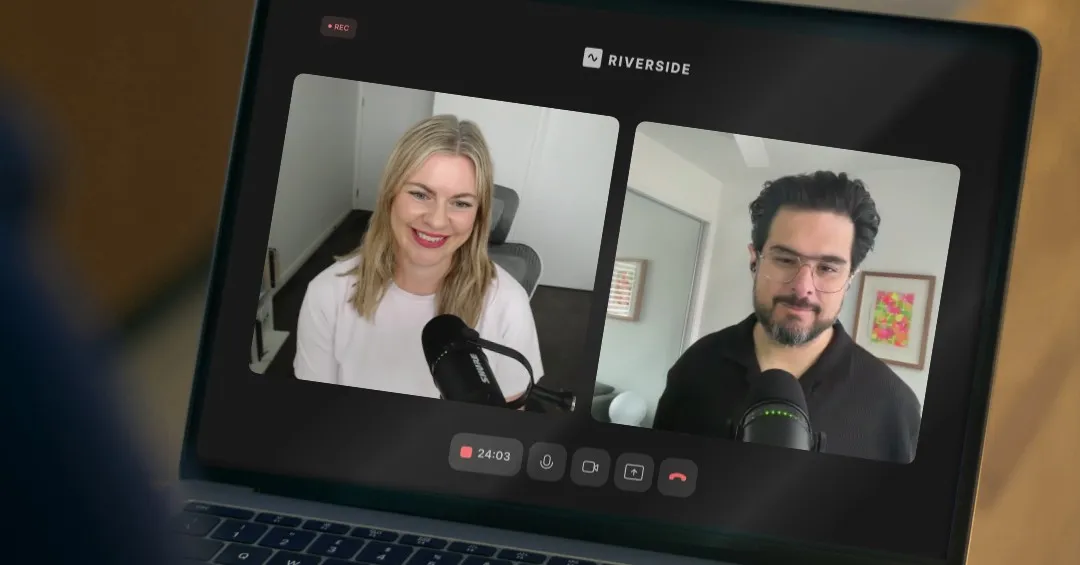
It’s a position that cuts against the natural reticence many professionals feel about self-promotion.
But in an environment where anyone can stream for three hours ranting about whatever crosses their mind, the absence of credible voices creates a vacuum that gets filled by something worse.
The human story, not the industry update
If there’s one tactical shift both Bec and Andrés emphasise, it’s the move away from third-person industry commentary toward first-person narrative.
“We need to hear more from experts and people that are really credible in their industries, but sharing from a more personal, personable kind of lens,” Bec says. “It’s almost like the first person narrative rather than going on there and sharing, oh, here’s the latest industry stuff, because that’s boring and people are going to just keep scrolling.”
The principle applies whether you’re a solopreneur or a major brand. Andrés points to Rare Beauty’s Substack - written by the company’s Director of Creative Strategy, MacKenzie Kassab, rather than founder Selena Gomez - as a case study in how editorial voice transforms corporate content into something genuinely compelling. The personal lens creates connection that product announcements and trend reports simply cannot.
Rethinking where you build
Perhaps the most provocative point Andrés makes concerns the traditional assumption that a website should be the centre of your owned media presence.
“With AI-powered search results, the website as the place of primacy is being completely dislodged,” he argues.
Major publishers have already seen traffic drops of 17-18% since AI Mode launched in Australia - numbers that threaten their entire business model. For individual professionals, the implication is clear: don’t default to building your home base where the audience may never arrive.
The alternative? Go where your audience actually is. And the most reliable way to find out? Ask them directly.
“The good thing about being a small business is that people are probably very connected to you individually,” Andrés says.
“If you were trying to decide on where to build your home base, just ask them. It’s really straightforward and less risky than doing a bunch of keyword research and watching all the marketing bros on YouTube tell you what to do.”
Earned media’s quiet renaissance
Amid all the disruption, earned media - appearing on other people’s podcasts, in industry publications, on speaking panels - is experiencing something of a revival. Not because it’s easier to secure (it isn’t), but because it’s becoming increasingly valuable for AI discovery.
Research suggests that 70-80% of what generative AI surfaces comes from earned media sources. The coverage you secure today shapes how ChatGPT, Claude, and Perplexity answer questions about your field tomorrow.
Bec is clear-eyed about what mainstream media coverage now requires:
“You need to be investing in things like surveys, research and data. You need to be coming up with clever angles that tap into popular discourse.”
It’s resource-heavy work. But for those who commit, the returns extend far beyond the original placement.
The more accessible path? What I call “Off Broadway and Off, Off Broadway” - the niche podcasts, industry communities, and curated spaces that trade reach for resonance.
Andrés agrees there’s power in the use of smaller, more niche channels.
“There’s a difference between reach and affinity,” he says. “You might need reach if you’re a political candidate or a celebrity launching a product line. For everyone else, the smaller, more aligned audiences deliver greater impact,” he says.
Everything’s changed, nothing’s changed
Near the end of our conversation, Bec offered what might be the most useful frame for navigating all this complexity:
“Everything’s changed, but nothing’s changed. The fundamentals of PR, of business, of marketing - they’re all the same. It’s just the channels that we use are a little bit different.”
Build relationships. Establish credibility. Tell human stories. Show your face. These aren’t revolutionary insights. But in a landscape obsessed with algorithmic hacks and AI shortcuts, they’re worth restating, and taking seriously.
On AI specifically, Andrés references advice from Tim Duggan: “AI is a great tool at the start and at the end. In the middle should be 100% you.”
Use it to get started, to polish, to check your work. But the substance - the ideas, the perspective, the human judgment - that’s irreplaceable.
And that might be the most important message for professionals hesitating on the margins.
The tools have changed. The platforms have multiplied. The competition for attention has intensified. But the work that matters - the slow accumulation of trust through genuine expertise shared generously - compounds over time in ways no algorithm can replicate.
The question isn’t whether you can afford to be visible. It’s whether you can afford not to be.
Onwards!
TY
[ LISTEN TO THE FULL INTERVIEW WITH BEC AND ANDRES ]
Bec Sands is a PR consultant and visibility mentor based in Australia. Find her at becsands.com. Andrés López-Varela is a marketing strategist and educator. Connect with him on LinkedIn.
In case we haven’t met yet …
Hi, I’m Trevor. I help genuine founders, experts and thought leaders build visibility, influence and trust - on their terms, in their voice.
Would you like to discuss how I can help you in a mentoring capacity to build your profile and reputation as a trusted and credible expert or thought leader in your industry? CLICK HERE TO BOOK A NO-OBLIGATION 20-MINUTE ZOOM CALL